Welcome to the preview! Wander through as a visitor, a maker, or a requester - we'd love your thoughts :)
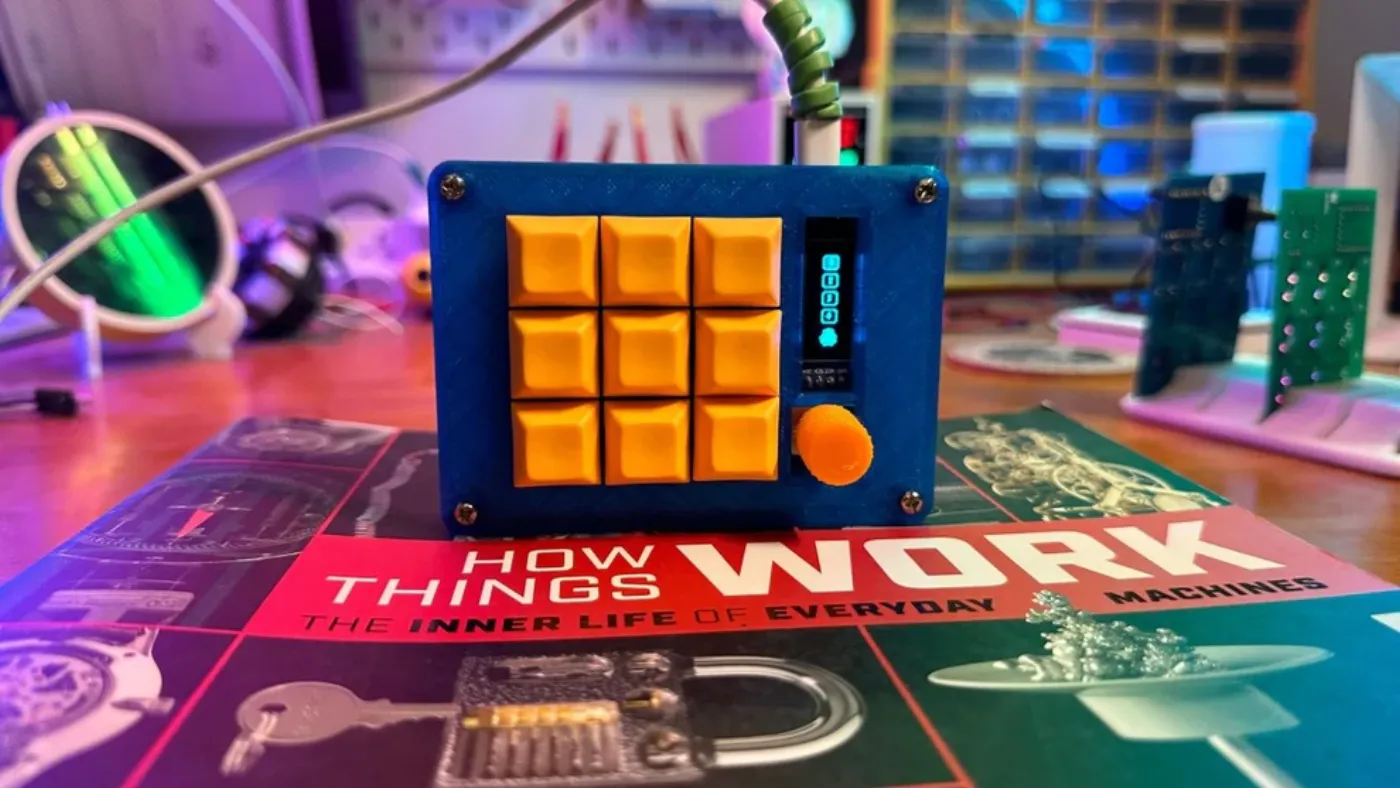
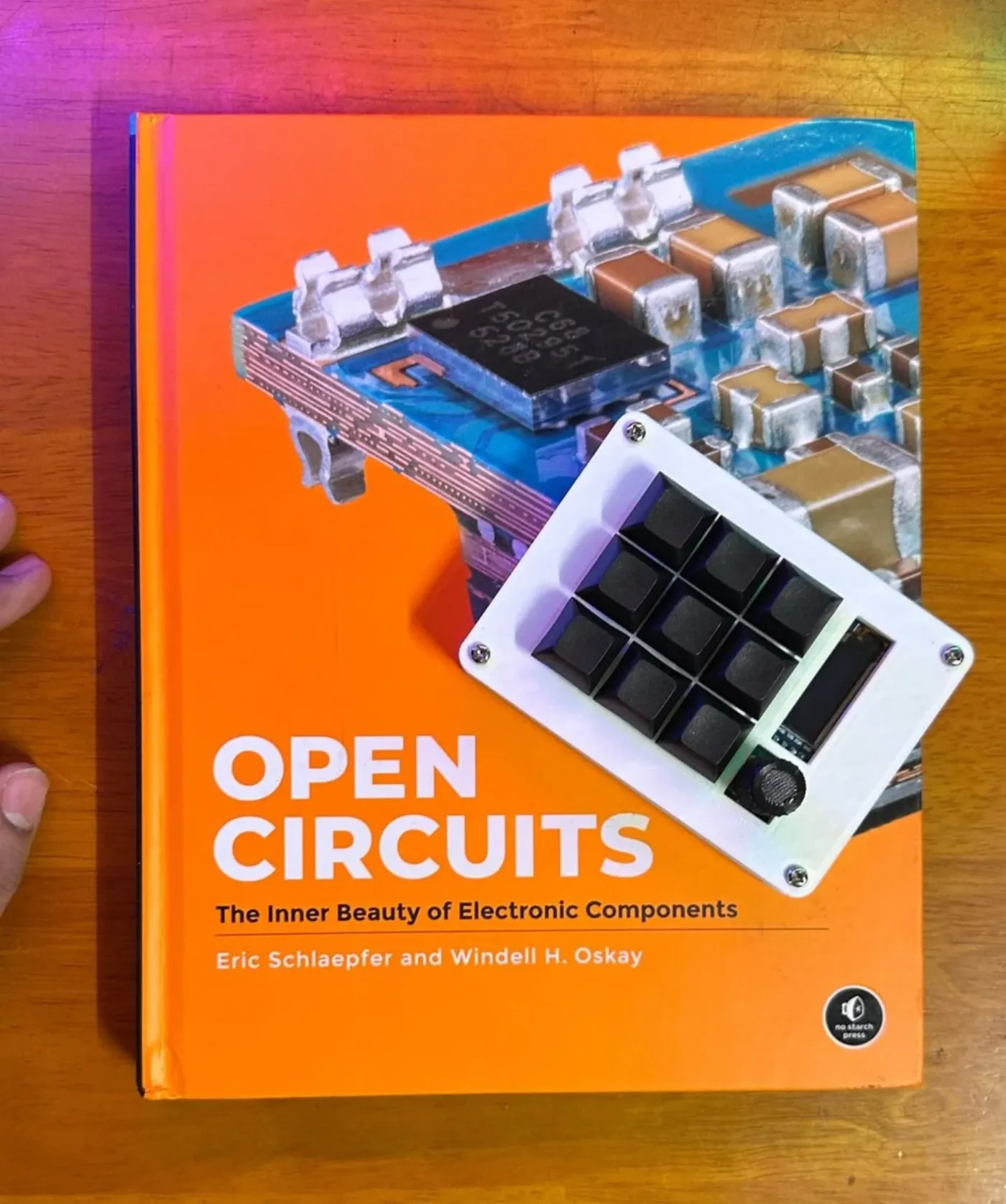
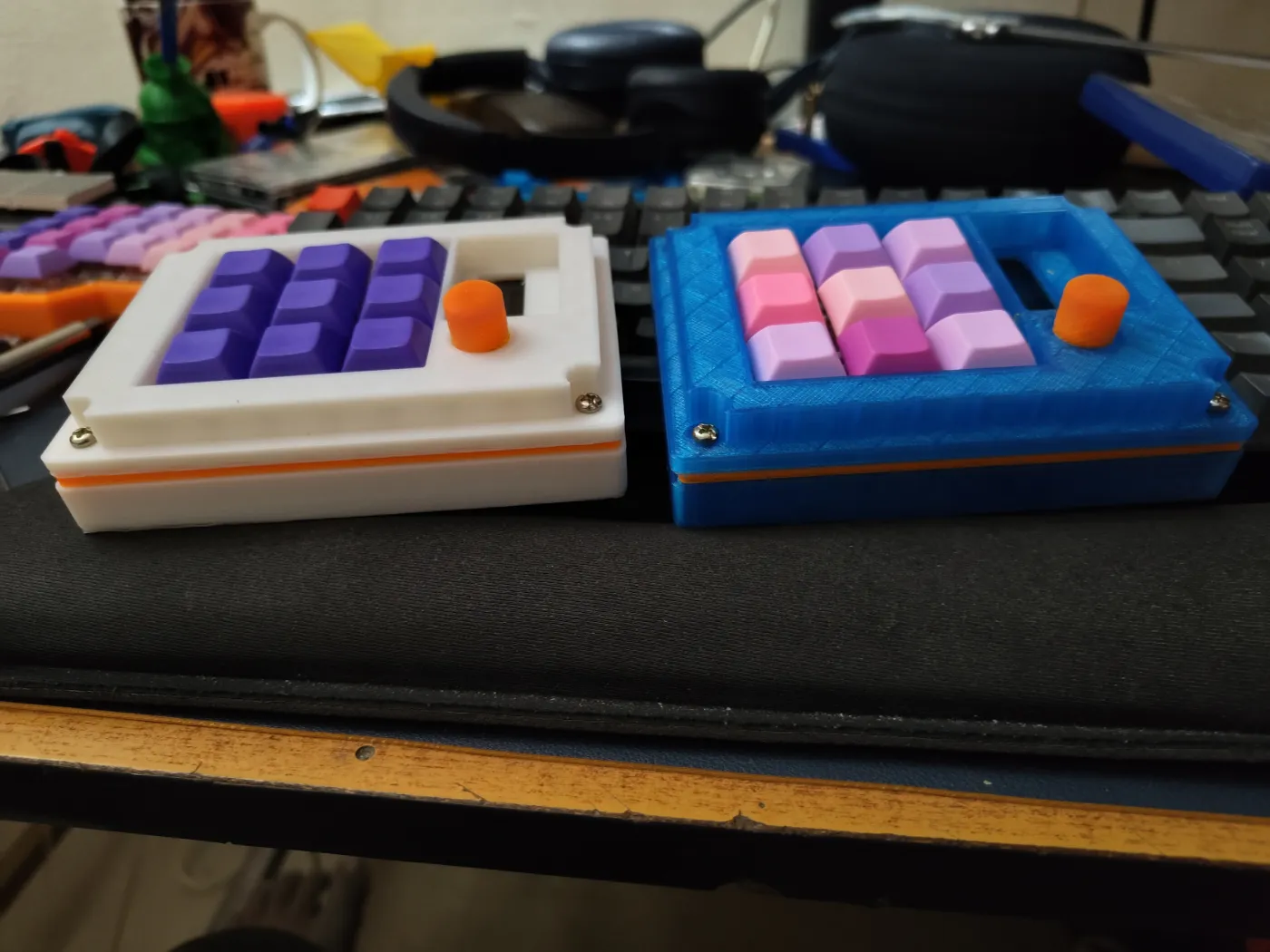
Nine keys, a rotary dial, and a tiny OLED in a 109 x 79 mm footprint that lives right next to your keyboard.
A fully open-source 3×3 QMK macropad with hotswap switches and USB-C. Made in Bengaluru.
LoRa-connected soil sensors designed for small farms across India and Southeast Asia. Each node is solar-powered and rated for 3 years of continuous operation without battery replacement. The sensor array communicates via LoRaWAN to a central gateway that pushes data to any MQTT-compatible dashboard.
All hardware designs are released under CERN-OHL-S. The KiCad schematics, STEP models for the weatherproof enclosure, and the firmware source (written in Rust for the nRF52840) are all available in the project repository. We want farmers and agricultural researchers to be able to build, modify, and manufacture these sensors without any licensing restrictions.
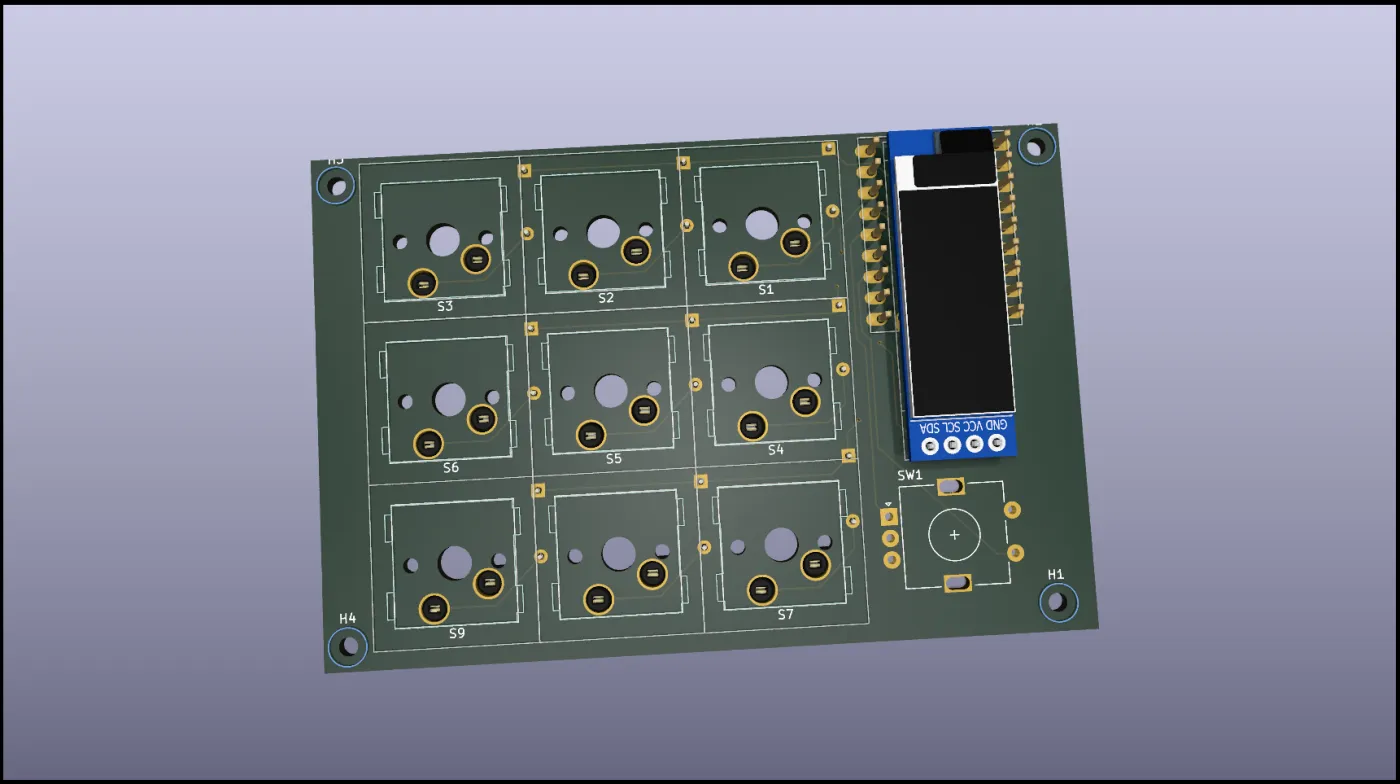
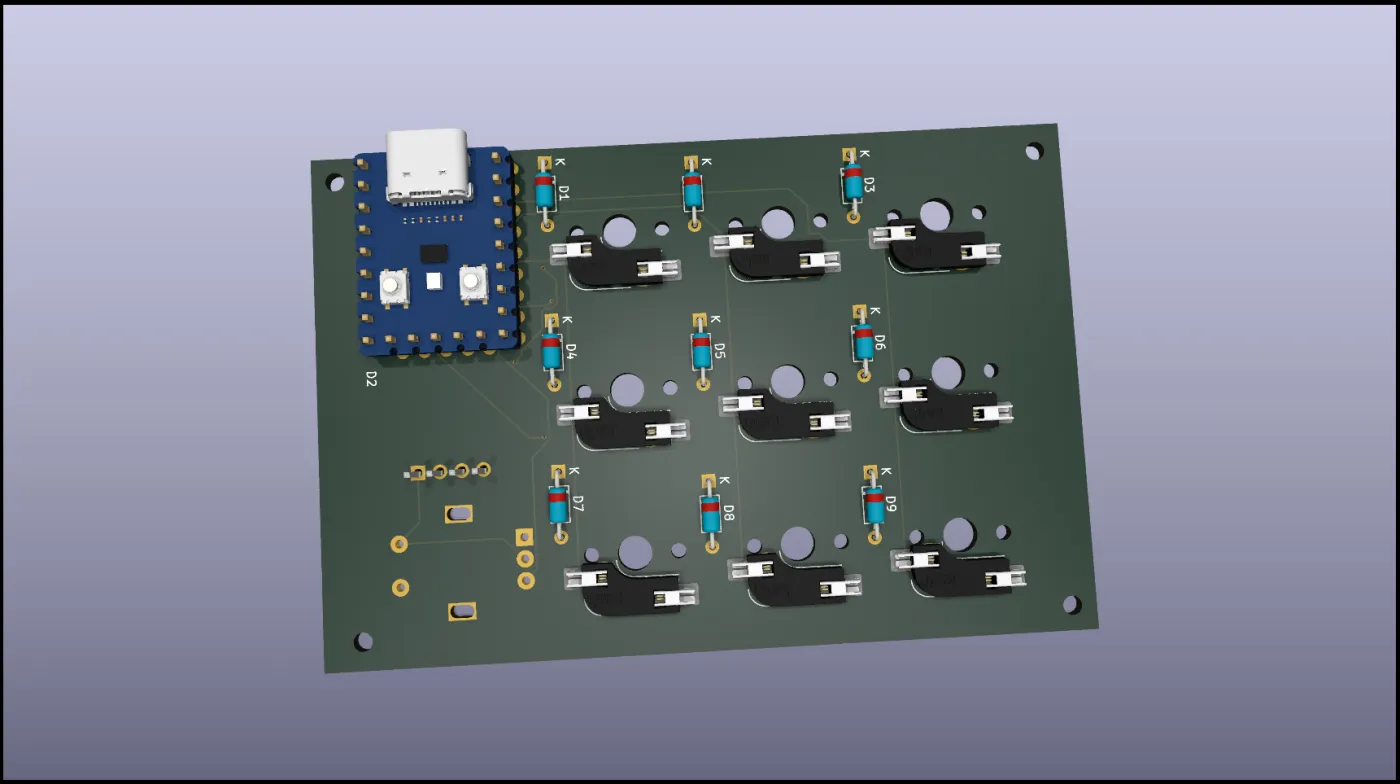
Preview every file before you back it - read the firmware, inspect the BOM, spin the model.
Still curious? Ask the maker on Discord.
After 5 months of continuous operation in three test sites, Prototype v3 has exceeded all performance targets. Lab results confirm 99.97% bacteria removal and 99.9% virus inactivation. The bamboo housing showed zero degradation despite monsoon conditions. We are now finalizing the production BOM.
We discovered thermal issues with the original LED driver during extended operation in direct sunlight. The redesigned board uses a more conservative derating curve and adds a thermistor-based cutoff. Updated KiCad files have been pushed to the repository.
Three units deployed across rural sites near Mysore. Each unit is processing 100-140 liters per day for households of 5-8 people. Community health workers are logging daily output and collecting water samples for monthly lab analysis. Early feedback on usability has been very positive.
Backed the Maker Bundle tier. I run a small NGO in rural Maharashtra and we have been looking for exactly this kind of solution. The fact that the filters can be manufactured locally is a game changer for us. How difficult is the production process?
Great question! The filter production follows the Potters for Peace protocol, specifically designed to be teachable to local potters. A potter with basic experience can learn the process in about 2 days. We have a detailed training guide in the repository.
As a public health researcher, I want to highlight how important the dual-barrier approach is in this design. Ceramic filters alone handle bacteria well, but they are unreliable against viruses. The UV-C stage is the right call. Have you considered adding a chlorine dosing option as a tertiary backup?
Thanks for the expert perspective! We considered chlorine dosing but decided against it for v1 because it adds supply chain complexity. For high-turbidity events, we recommend a pre-settlement step using alum. The modular design means a chlorine stage could be added later.
Shipping to Japan -- is that feasible with the battery included? LiFePO4 batteries have strict air freight regulations. I want to order the Workshop Pack but need to know about customs and shipping logistics.
Love the CERN-OHL-S licensing choice. I teach an appropriate technology course at TU Berlin and would like to use this project as a case study. The combination of open hardware, local manufacturability, and rigorous field testing makes it ideal.
Reserve for 25% now, pay the rest on ship. Cancel before shipment for a full refund.
Reserve for 25% now, pay the rest when it ships.
Back the project and grab every open file.
Solder it yourself - a friendly first hardware build.
Built, flashed, and tested - plug in and type.
All-or-nothing. Cancel any time before shipment for a full refund.
Building open hardware in Bengaluru, India. Every project ships with full source files so you can study, repair, and remix it.